The Mental Cost Of Making A Difficult Call
14 August 2026 | 272
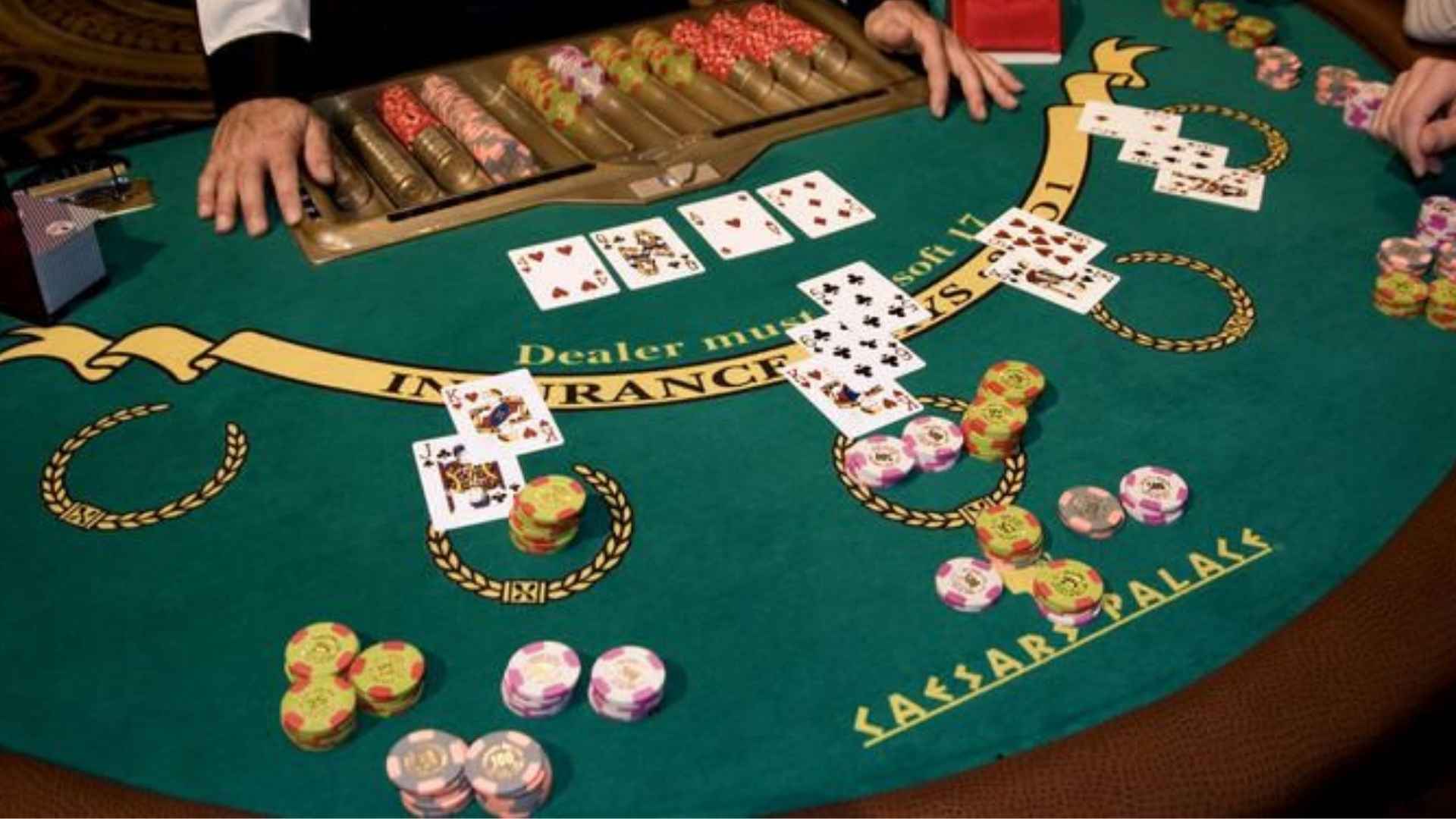
Every decision made at a poker table requires mental processing, but few moments demand as much cognitive energy as facing a massive final bet. Weighing incomplete information while risking a significant portion of your stack creates immediate psychological strain. Understanding the mental cost of making a difficult call helps players manage emotional wear and maintain peak decision-making performance over long sessions.
The Immediate Cognitive Strain of High-Stakes Decisions
When a player faces an aggressive bet, the brain instantly shifts into high-gear analytical mode. It must rapidly evaluate past betting sequences, pot odds, and opponent behavioral patterns under tight time constraints. This rapid processing consumes substantial mental energy, causing temporary cognitive fatigue that lingers long after the hand finishes.
Furthermore, the physical sensation of tension during a tough decision elevates heart rates and triggers adrenaline spikes. Even when a player correctly deduces the situation, the internal friction between fear of loss and logical reasoning exacts a heavy toll. Over time, recurring high-stress moments gradually deplete a player's focus and emotional stability.
How Decision Fatigue Subtly Undermines Judgment
Repeatedly navigating complex, stressful scenarios leads to a phenomenon known as decision fatigue. As mental bandwidth drains, the brain naturally seeks shortcuts to conserve energy and reduce stress. This subtle exhaustion often causes players to make passive errors or premature folds in subsequent hands.
Maintaining sharp concentration requires intentional breaks and proper pacing during prolonged competitive play. Many strategic enthusiasts analyze complex session dynamics after completing their m88 login to review past hand histories with a clear mind. Recognizing when cognitive limits are reached allows competitors to step back before decision quality declines significantly.
The Psychological Aftermath of Winning or Losing the Call
The mental toll of a difficult decision does not end once the chips are pushed toward the winner. Winning a tough call provides a surge of validation, which can sometimes lead to dangerous overconfidence in later hands. Conversely, losing a correct call to an unexpected hand often triggers second-guessing and self-doubt.
Skilled competitors train themselves to separate the quality of their decision from the short-term outcome. They understand that an optimal call remains mathematically sound regardless of whether the river card favored them. Accepting this inherent variance prevents emotional hangovers that destabilize future strategic choices.
Strategies to Protect Mental Energy During Long Sessions
Preserving cognitive resources requires structured habits both at and away from the table. Developing systematic frameworks for hand analysis reduces the emotional burden of processing complex situations on the fly. When a structured routine guides every choice, players experience significantly less mental stress during critical moments.
Additionally, physical wellness, adequate rest, and disciplined session limits directly support sustained mental sharpness. Taking regular breaks between intensive games resets focus and clears lingering stress from previous difficult decisions. By actively managing cognitive workload, poker players can consistently perform at their highest strategic level.